



An Inauthentic Item Suspension can damage your Amazon business fast. However, a strong supply chain defense can protect your account. It also helps you avoid future complaints and policy violations.
Many sellers lose accounts because they cannot prove product authenticity. Therefore, you must keep clean records, trusted suppliers, and clear invoices. This guide explains how to build a safe and reliable supply chain defense.
What Is an Inauthentic Item Suspension?
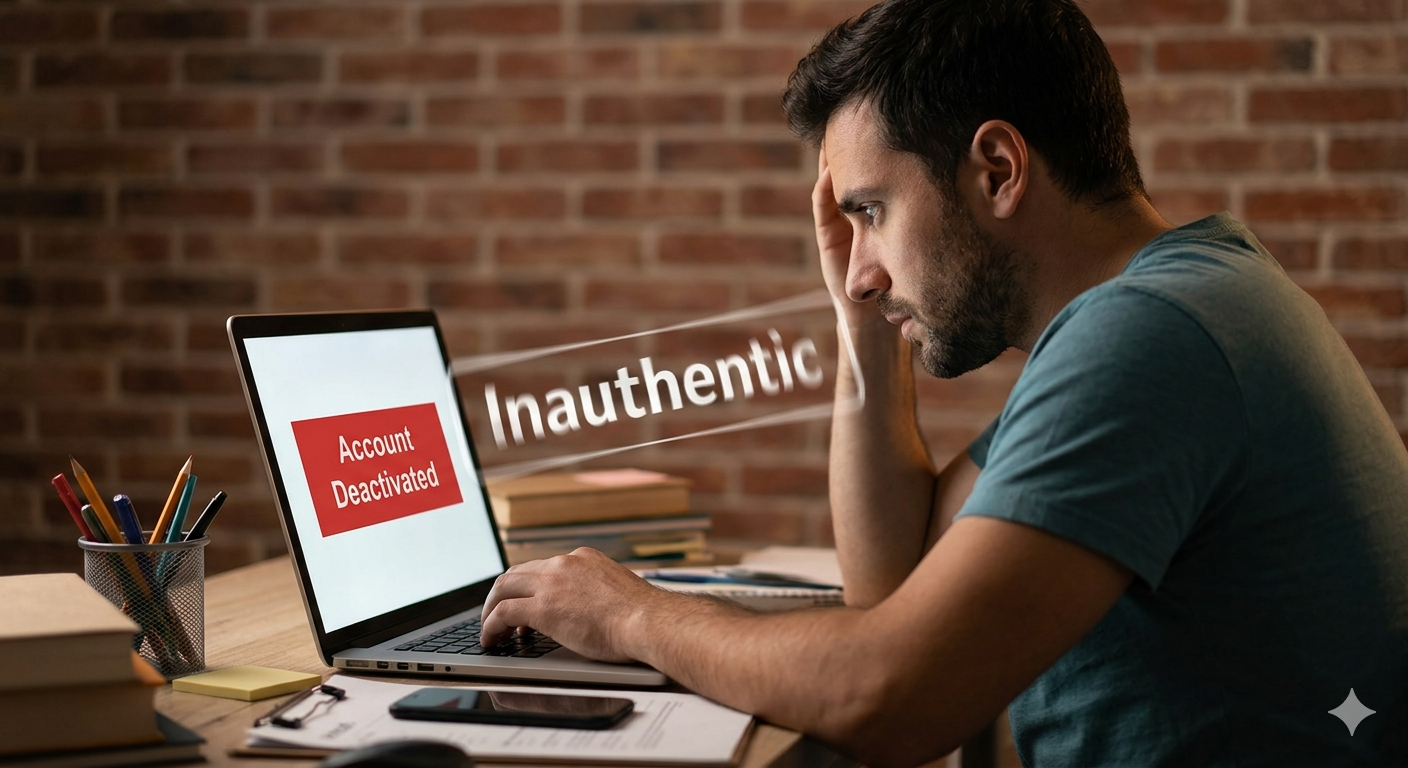
Amazon issues an Inauthentic Item Suspension when buyers report fake, altered, or questionable products. Sometimes, even genuine items trigger complaints. As a result, Amazon asks sellers to prove authenticity.
The platform may request invoices, supplier details, and authorization letters. Therefore, sellers must prepare documents before problems happen.
Why Amazon Takes These Cases Seriously
Amazon wants customers to trust the marketplace. Therefore, it quickly removes risky listings. Even a few complaints can trigger account reviews.
If Amazon believes your supply chain is weak, your listings may disappear. In severe cases, your account may stay suspended for months.
Use Verified Suppliers Only
Your supplier is your first line of defense. Therefore, always buy from verified distributors, brands, or manufacturers.
Avoid unknown wholesalers with low prices. Although cheap products look attractive, they often create authenticity risks. Instead, work with suppliers that provide clear business information and valid invoices.
Keep Clean and Complete Invoices
Invoices are critical during an Inauthentic Item Suspension. Therefore, every invoice must include accurate details.
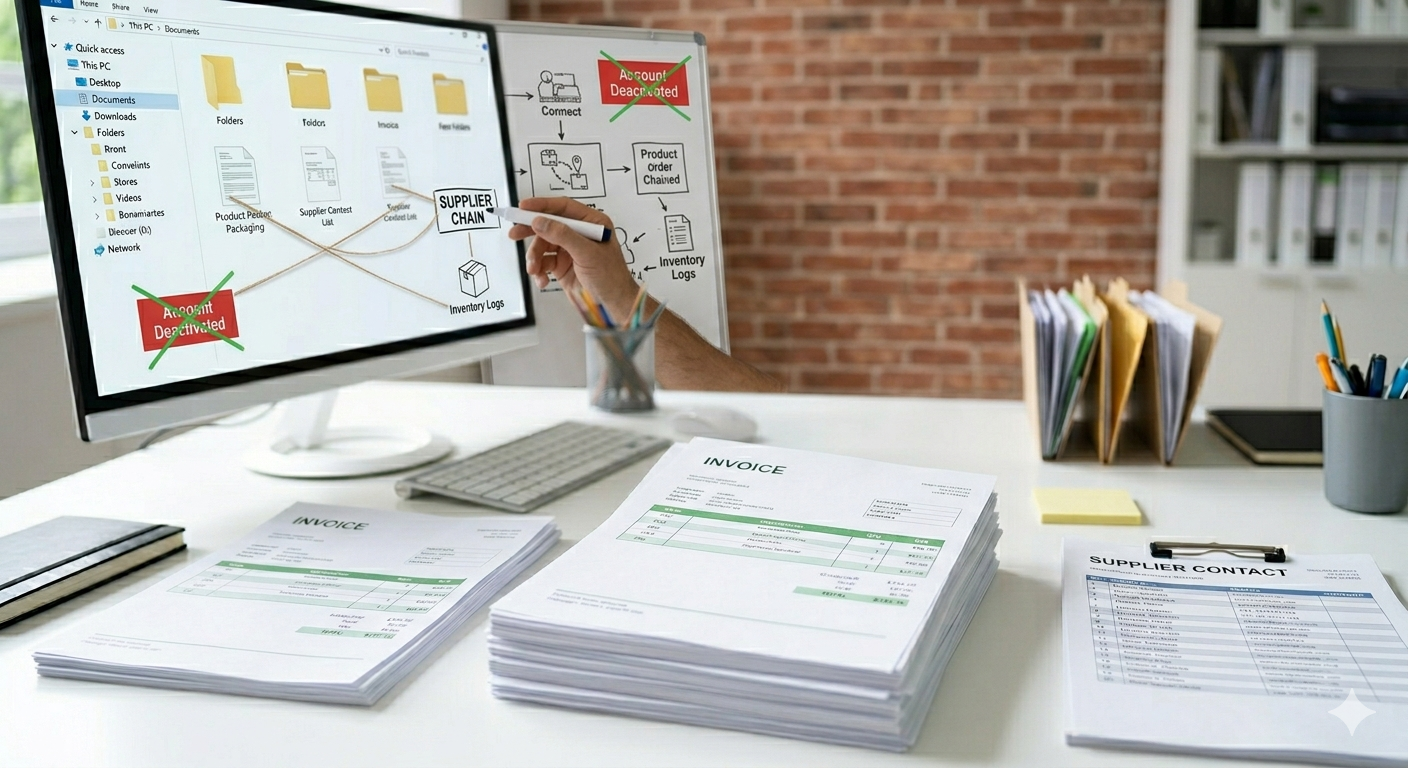
Your documents should show supplier name, address, phone number, purchase date, and product quantity. In addition, the invoice should match your Amazon inventory exactly.
Do not edit invoices. Amazon can detect changes quickly. As a result, edited files may cause permanent suspension.
Build Strong Inventory Tracking
Good inventory tracking reduces confusion and protects your account. Therefore, track every product from supplier to customer.
Use inventory software or organized spreadsheets. Also, separate inventory by supplier. This process helps you identify risky stock faster.
When Amazon asks questions, fast tracking gives stronger evidence.
Store Supplier Agreements Safely
Supplier agreements prove your products come from trusted sources. Therefore, save contracts, emails, and authorization letters in secure folders.
These records support your appeal if Amazon questions authenticity. Moreover, they show long-term business relationships.
Many sellers ignore this step. However, strong documentation often improves appeal success rates.
Inspect Products Before Shipping
Never trust suppliers blindly. Instead, inspect products before sending them to Amazon warehouses.
Check packaging, labels, barcodes, and product quality carefully. Also, compare products with official brand listings.
Small mistakes can trigger customer complaints. Therefore, quality checks protect your business and reputation.

Remove Risky Inventory Quickly
If products look suspicious, remove them immediately. Waiting too long increases customer complaints and account risk.
Dispose of damaged or questionable inventory fast. Also, stop sourcing from suppliers with repeated issues.
Quick action shows Amazon that you take compliance seriously.
Create a Supply Chain SOP
A standard operating procedure keeps your business organized. Therefore, create written rules for sourcing, inspections, storage, and shipping.
Train your team to follow the same process every time. As a result, your operations stay consistent and safer.
A documented system also strengthens your Amazon appeal.
Monitor Customer Feedback Often
Customer feedback gives early warning signs. Therefore, monitor reviews and return reasons daily.
If buyers mention fake items, damaged packaging, or missing labels, investigate quickly. Fast action prevents larger account problems.
In addition, resolve customer concerns professionally and politely.
Prepare a Strong Plan of Action
If suspended, your Plan of Action must explain the root cause clearly. Then, describe corrective actions and prevention steps.
Avoid emotional language. Instead, use facts and clear solutions. Include supplier updates, invoice proof, and inventory controls.
Amazon wants prevention systems, not excuses.

Common Supply Chain Mistakes
Many sellers buy products from retail stores or random online sellers. However, Amazon often rejects retail receipts.
Some sellers also mix inventory from multiple suppliers. As a result, tracking becomes difficult during investigations.
Others fail to store invoices properly. Therefore, they cannot defend their accounts when Amazon requests documents.
How to Prevent Future Suspensions
Prevention is always easier than reinstatement. Therefore, build strong supplier relationships and maintain accurate records.
Review supplier performance regularly. Also, inspect inventory often and monitor customer complaints closely.
A strong supply chain defense reduces risk and protects long-term account health.
Conclusion
An Inauthentic Item Suspension can stop sales and damage your reputation. However, a strong supply chain defense keeps your business protected.
Use verified suppliers, maintain clean invoices, inspect inventory, and track products carefully. Most importantly, stay proactive before complaints appear.
Strong systems create stronger Amazon businesses.
FAQ
What causes an Inauthentic Item Suspension?
Amazon usually suspends accounts after customer complaints about fake, altered, or questionable products. Missing invoices can also trigger suspension.
Can Amazon reject retail receipts?
Yes. Amazon often rejects retail receipts because they do not prove a reliable supply chain.
How long does reinstatement take?
Reinstatement times vary. Some appeals take days, while others take weeks depending on document quality and account history.
What documents does Amazon request?
Amazon commonly requests invoices, supplier contact details, authorization letters, and inventory records.
Can I avoid future suspensions?
Yes. Work with verified suppliers, inspect inventory regularly, and maintain organized records to reduce suspension risks.