

An Amazon Account Suspension can stop sales without warning. However, the first 24 hours often shape the outcome of the appeal. A rushed response can create more issues and delay reinstatement.
Therefore, sellers must respond with a structured process. Every action should align with Amazon Seller Central policies and documented account health requirements.
Read the Suspension Notice Carefully
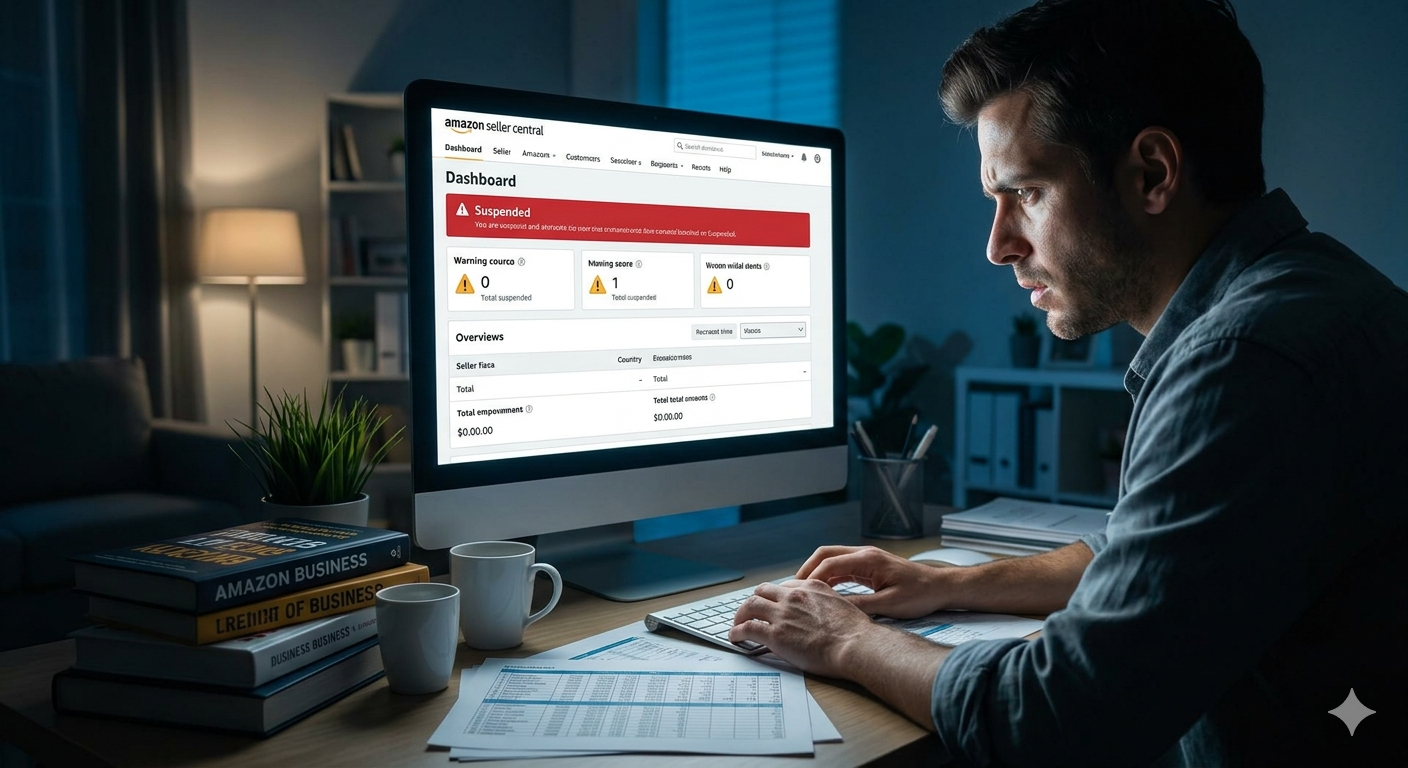
First, open the Performance Notifications section in Seller Central. Then, review the suspension notice line by line before taking any action.
Amazon usually explains the policy involved, affected ASINs, and the required appeal format. This information helps identify the exact compliance issue.
In many cases, sellers skip details and submit generic appeals. As a result, Amazon rejects the submission because the root cause was not addressed.
Do Not Submit an Immediate Appeal
Although the suspension feels urgent, avoid sending a rushed response. Amazon reviews appeals for accuracy, evidence, and corrective actions.
A weak appeal may reduce future reinstatement chances. Therefore, take time to investigate the issue before responding to Seller Performance.
According to Amazon guidance, appeals should include the root cause, corrective actions, and preventive measures. Each point must be specific and supported.
Identify the Root Cause
Next, identify why the account was suspended. Amazon may suspend accounts for intellectual property complaints, late shipments, inauthentic claims, linked accounts, or policy violations.
Review recent customer messages, returns, negative feedback, and Account Health notifications. These records often reveal the real operational problem.
If the issue involves authenticity complaints, gather invoices and supplier records immediately. If the issue involves metrics, review fulfillment and customer service processes.

Secure All Business Documents
During the first 24 hours, organize all documents connected to the account. Missing records can delay the appeal process and increase verification issues.
Important files may include supplier invoices, utility bills, bank statements, trademark records, tracking details, and authorization letters.
Ensure all documents match the business name and address inside Seller Central. Even small inconsistencies can trigger additional reviews.
Review Amazon Policies
Before drafting the appeal, review the related Amazon policy pages. This step helps ensure the response aligns with Amazon compliance standards.
For example, sellers facing linked account suspensions should review Amazon’s Multiple Account Policy. Sellers facing IP complaints should review Intellectual Property Policy guidance.
Use official policy language when possible. Clear policy alignment improves readability and demonstrates corrective action awareness.
Stop Risky Activity Immediately
After identifying the issue, stop any activity connected to the violation. Amazon expects sellers to correct the problem before submitting an appeal.
For example, remove problematic listings, pause unsupported advertising claims, and stop sourcing from unverified suppliers. These actions show immediate compliance efforts.
If the suspension involves customer metrics, improve shipping controls and response times before filing the appeal. Preventive measures should already be active.
Prepare a Clear Plan of Action
A strong Plan of Action should remain direct and structured. Long emotional explanations usually reduce clarity and weaken the submission.
Start with the root cause. Then explain the corrective actions already completed. Finally, outline preventive measures designed to stop future violations.
Use factual language instead of opinions. Amazon reviewers look for operational corrections, policy understanding, and process improvements.
Corrective actions may include supplier replacement, invoice audits, listing updates, staff training, or warehouse process changes.

Keep Communication Professional
All communication with Amazon should remain professional and concise. Avoid blaming buyers, competitors, or Amazon systems in the appeal.
Instead, focus on accountability and operational changes. A compliance-focused tone supports credibility during the review process.
Additionally, avoid submitting multiple appeals within a short period. Repeated submissions without new evidence may slow the review.
Monitor Account Health Closely
After submitting the appeal, monitor the Account Health dashboard regularly. Amazon may request additional documents or clarification.
Respond quickly to any follow-up request. Delayed replies can extend the suspension period and affect account recovery timelines.
At the same time, keep internal records of all submissions, invoices, and case logs. Organized records help with future compliance reviews.
Common Mistakes During the First 24 Hours
Many sellers damage their case during the first day after suspension. Panic often leads to rushed appeals and incomplete documentation.
One common mistake is copying generic templates from online forums. Amazon expects case-specific details supported by evidence.
Another mistake is creating a second seller account after suspension. Amazon policies generally prohibit duplicate accounts without approval.
Some sellers also ignore policy references. However, appeals connected to policy language usually appear more structured and relevant.
How Amazon Reviews Appeals
Amazon Seller Performance teams review whether the seller understands the violation and has corrected the operational issue.
The review usually focuses on evidence, supply chain validity, account health history, and preventive controls. Unsupported promises rarely help.
Therefore, sellers should demonstrate measurable actions. Process updates and documented controls often strengthen reinstatement requests.
Why the First 24 Hours Matter
The first 24 hours create the foundation for the entire reinstatement process. Early decisions can either improve or damage appeal quality.
A structured response reduces confusion and improves document accuracy. It also helps prevent repeated appeal rejections.
Most importantly, a professional approach demonstrates that the seller understands Amazon’s marketplace standards and compliance expectations.
FAQ
Q: Should I call Amazon support immediately?
Seller Support may provide guidance, but appeals are usually reviewed by Seller Performance teams.