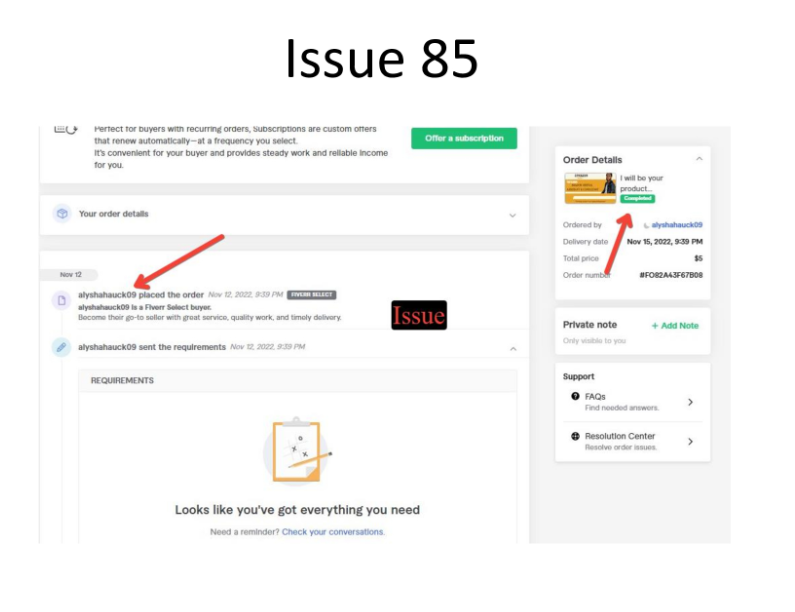
85Issue A client in the USA faced challenges during a sourcing meeting, where they struggled to establish clear communication with suppliers, leading to confusion about product specifications, pricing, and delivery timelines.
Solutions
I identified the root cause of the issue as a lack of structured communication, unclear expectations, and absence of documented agreements between the client and suppliers. This resulted in misunderstandings regarding product specifications, production timelines, pricing terms, and quality standards, ultimately leading to delays, inconsistencies, and operational inefficiencies.
To resolve this, I implemented a clear and structured supplier communication strategy to streamline interactions and eliminate ambiguity. I assisted the client in establishing professional communication channels and ensuring that all discussions were documented and aligned with business objectives. This included defining detailed product requirements such as materials, dimensions, packaging standards, branding guidelines, and quality benchmarks.
I guided the client in proactively following up with suppliers to confirm all agreements in writing, including pricing, minimum order quantities (MOQs), lead times, payment terms, and delivery schedules. This ensured transparency, accountability, and mutual understanding between both parties.
Additionally, I introduced standardized documentation practices such as purchase agreements, product specification sheets, and order confirmation templates to avoid future miscommunication. I also encouraged regular progress updates and milestone tracking to monitor production status and address potential issues early.
Furthermore, I helped the client resolve any remaining concerns by facilitating clear negotiations, clarifying expectations, and ensuring both parties were fully aligned before proceeding with production. This reduced risks related to delays, quality issues, and disputes.
As a result, communication between the client and suppliers became more efficient, transparent, and well-documented. This led to improved supplier coordination, reduced errors, smoother production workflows, and more reliable order fulfillment, ultimately enhancing overall supply chain performance.
Digital Target Marketing offers a broad range of online services from retail branding and shopping cart development, to email & mobile marketing. With state-of-the-art reporting, site analytics, & build-a-brand testing, we can track where every penny is best spent along with where your campaign is succeeding & where it needs a lift.